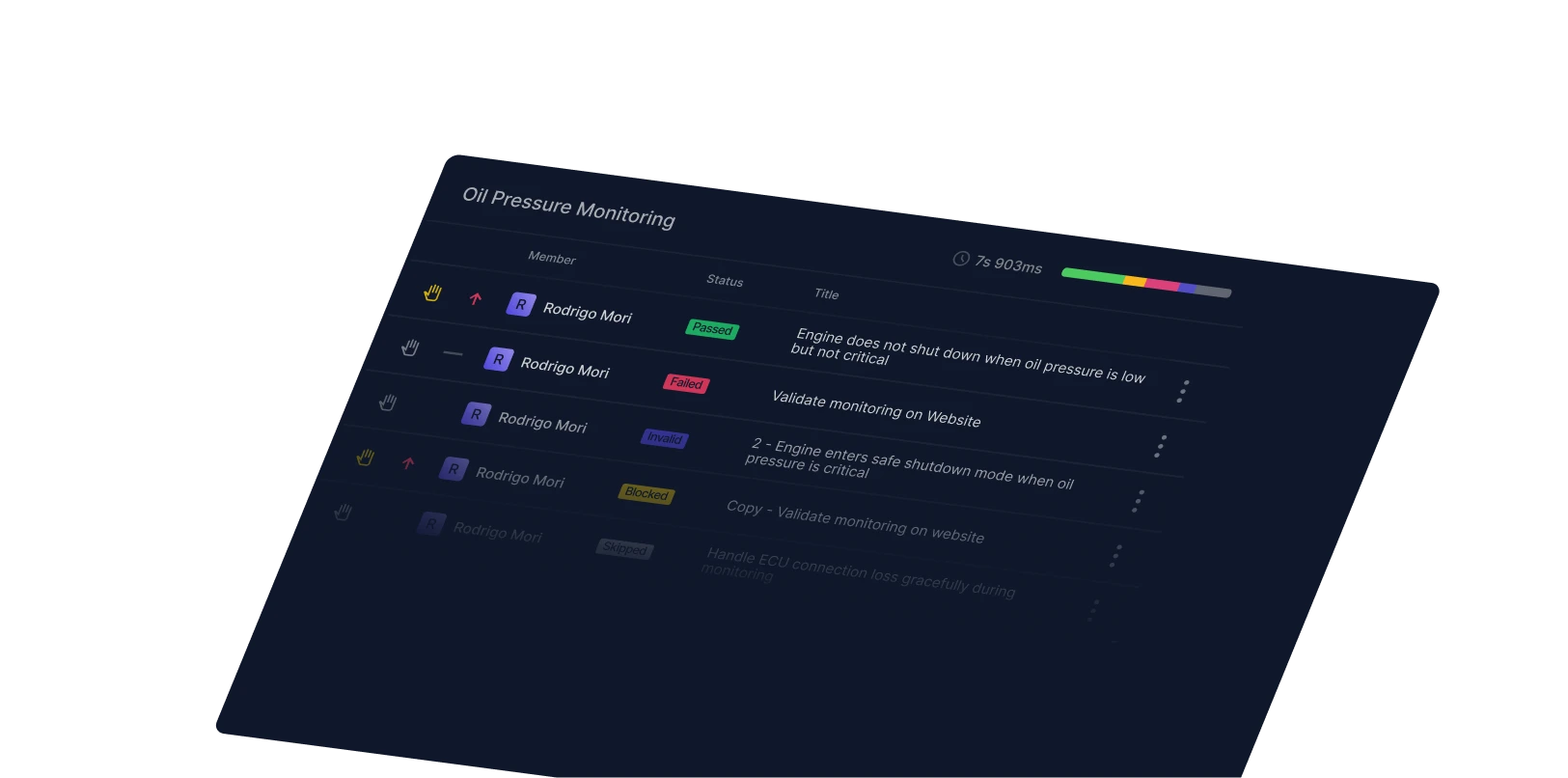
Test debt compounds
The backlog never shrinks. Manual cases pile up faster than anyone converts them. Each client engagement adds to the gap between what you have and what you need.
Tiden is live on Product Hunt today. See the launch.
Software development firms run QA across multiple clients, multiple teams, and multiple launch deadlines at once. Qase gives every organization in the room the same view of what's passing, failing, and ready to ship.
Trusted by engineering teams at leading companies







Software development firms run QA across multiple clients at once. Each problem gets harder when the audience for your results is a paying client.
The backlog never shrinks. Manual cases pile up faster than anyone converts them. Each client engagement adds to the gap between what you have and what you need.
CI pipelines, spreadsheets, issue trackers. Each holds a fragment. No single view of what passed, what failed, and what is at risk across your active engagements.
Requirements and test results live in separate systems. When something breaks, no one can reconstruct what was tested, when, and by which organization.
For a software firm, "are we good to ship?" is not an internal question. It is the answer you owe a paying client in a room with their leadership, their PMs, and their vendors.
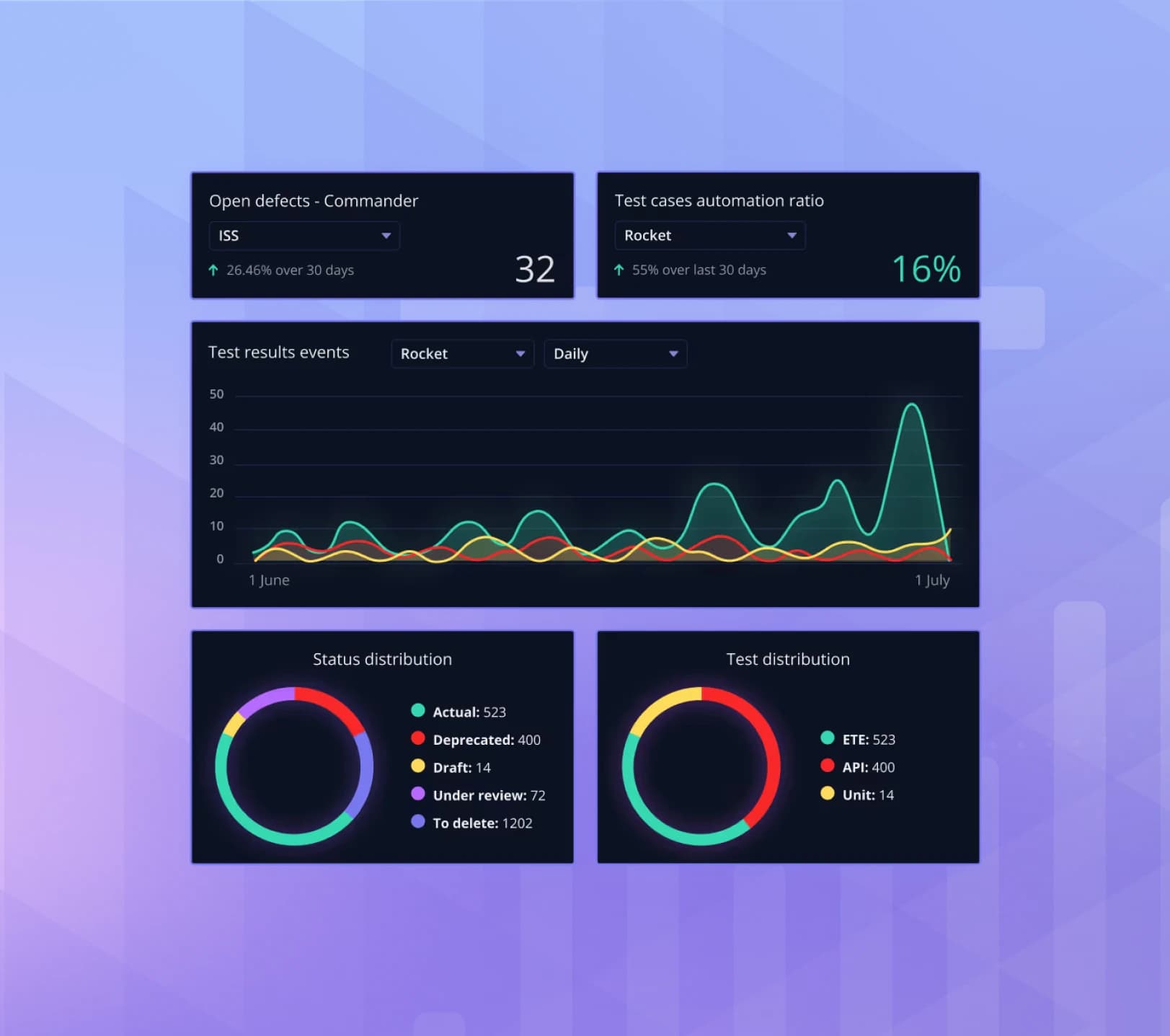
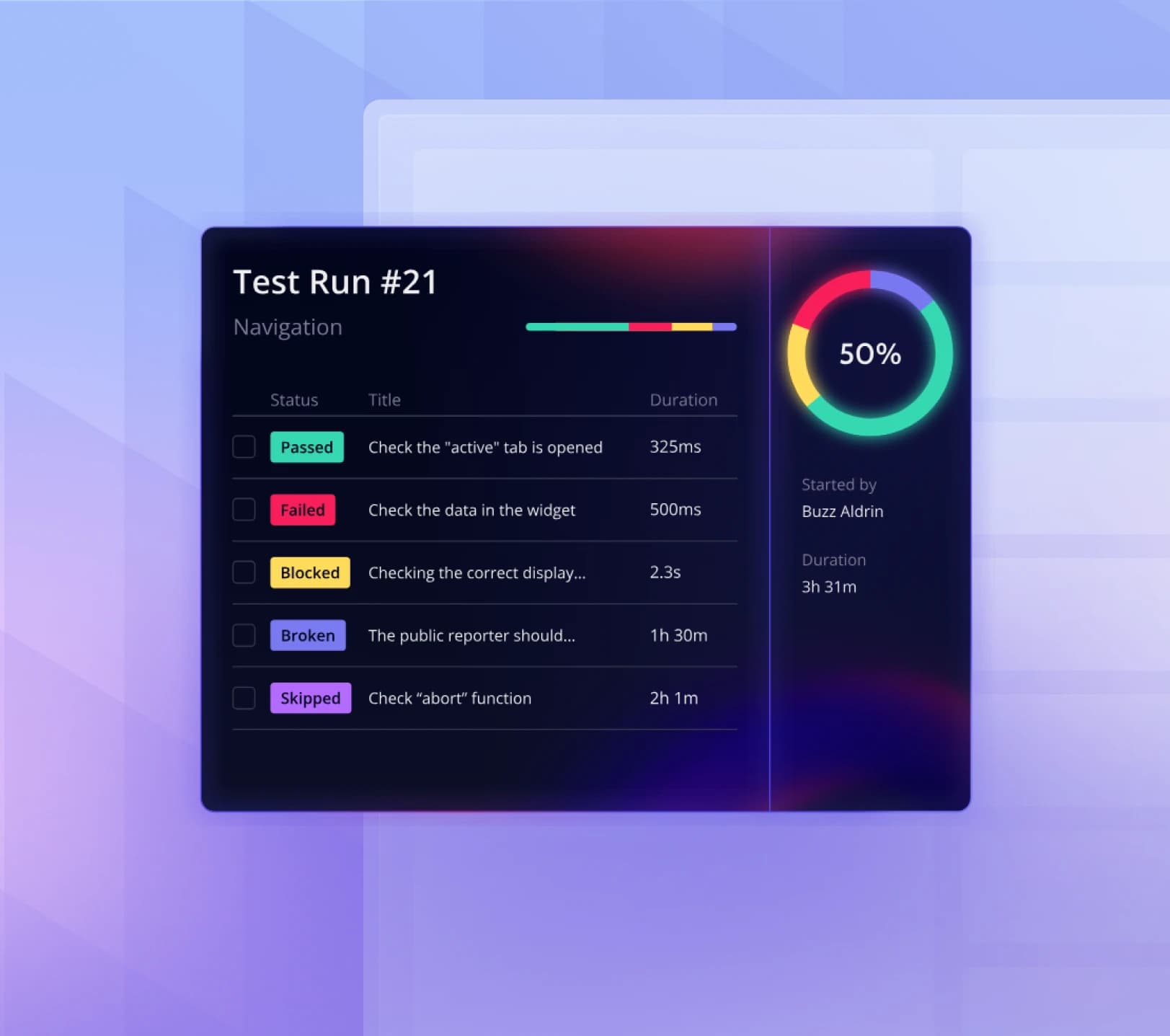
Clients get a live view into what is passing, what is failing, and what the completion rate looks like across each test plan. They do not need a meeting for a status update. The dashboard is current at every point in the engagement.
That shift, from "we think we're ready" to "here's the evidence," changes the launch conversation. It gives leadership on all sides the confidence to commit to a date.
Every organization with a stake in the outcome gets access to the same Qase workspace. Your QA team creates and organizes test cases. The client's QA team runs them. Integration partners execute their own scoped test plans.
Roles control what each group can do. Defects are filed once. Nobody reports the same bug twice.
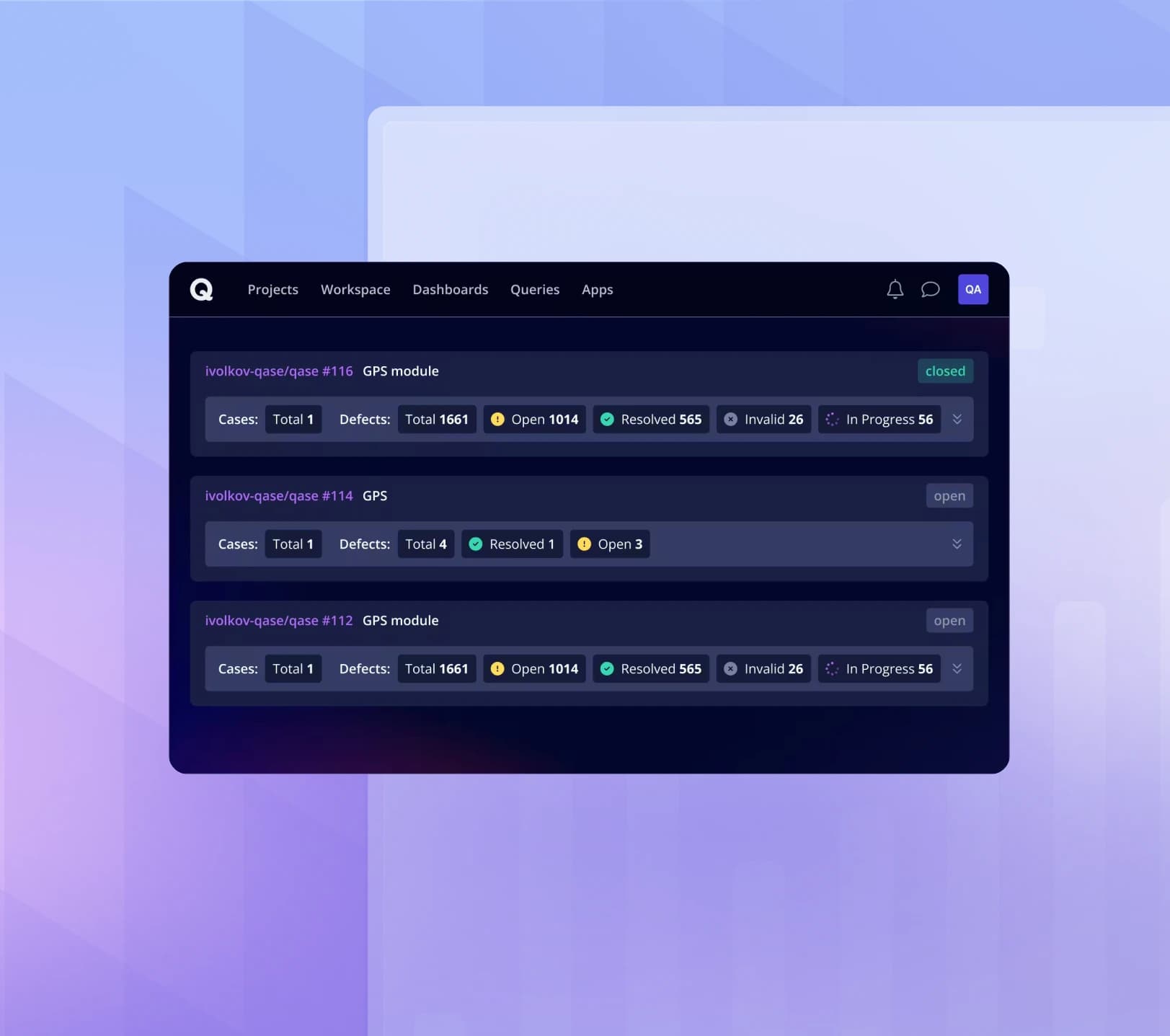
Separate projects per client. Test suites organized by site area, feature, or release milestone. When you start a new engagement, the structural patterns from previous work are available to copy and adapt.
You are not rebuilding from scratch each time.
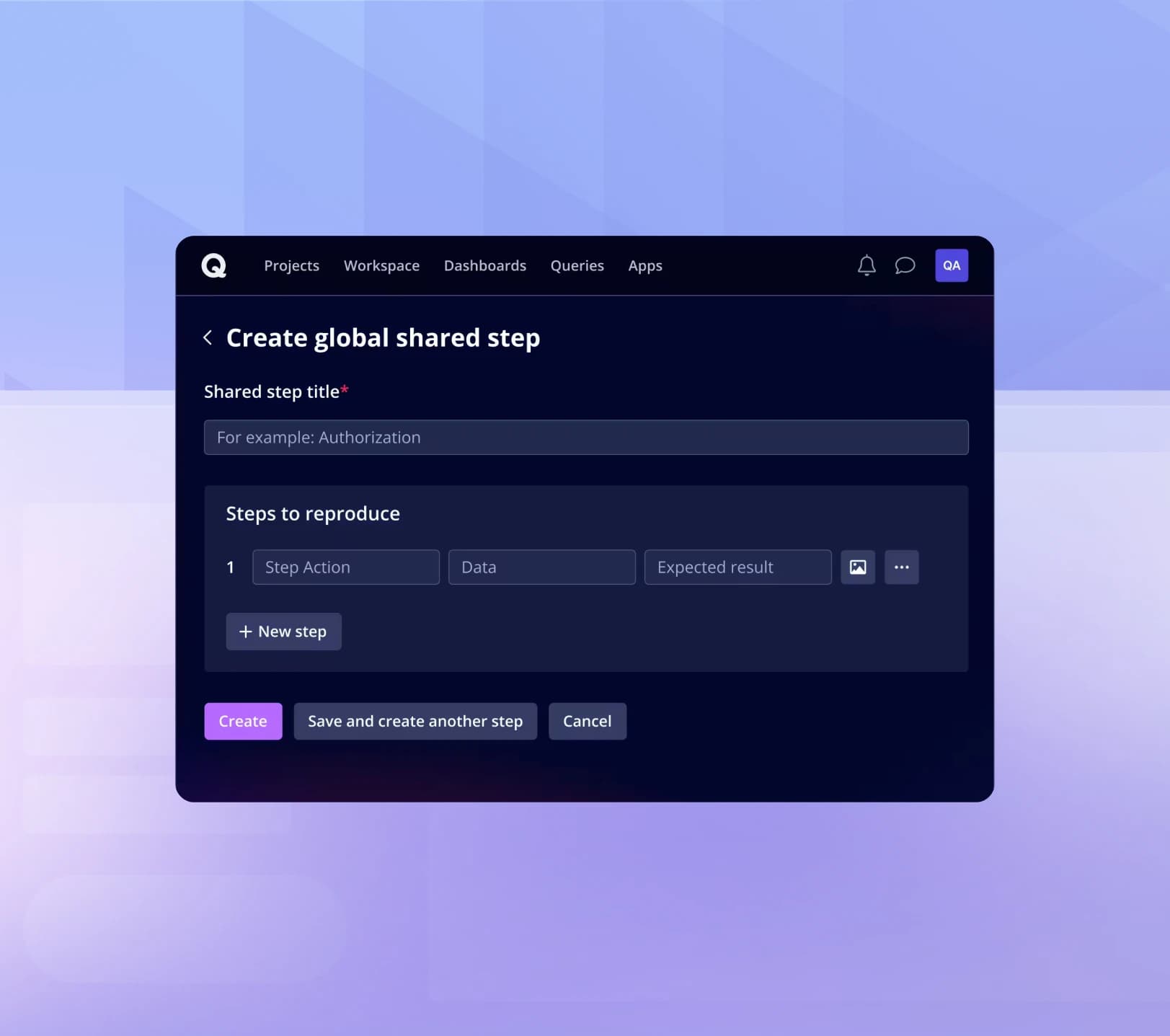
After the initial build, continuous release management begins. Smoke test suites run against every deployment. Test plans tie to individual features. Clients run UAT inside the same workspace.
The coordination overhead does not restart from zero with each release.
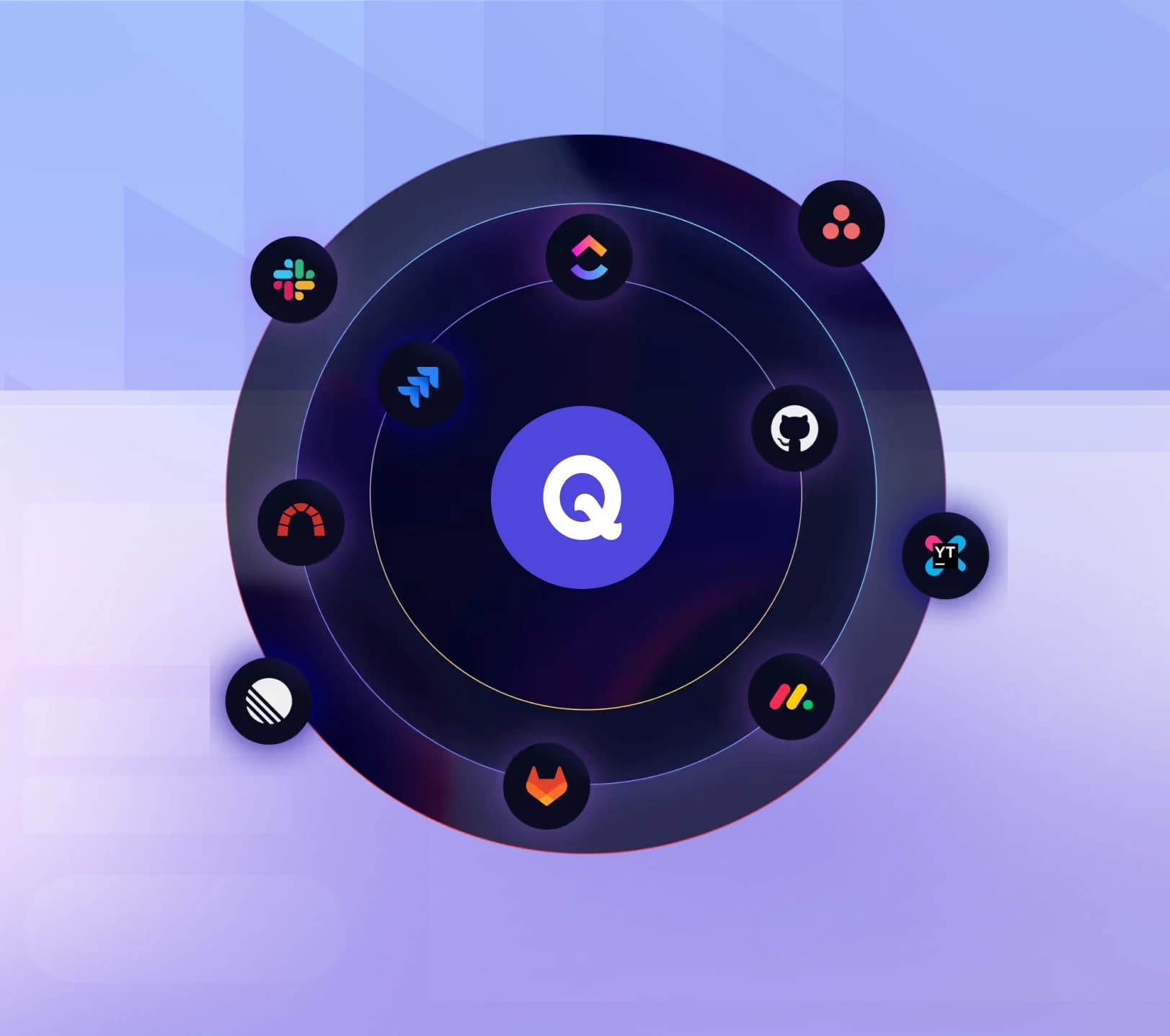
Jira, GitHub, Azure DevOps, Linear, and more. When a test fails, the defect goes to wherever the client's team tracks work. Bidirectional connections, not a surface-level webhook that fires once and loses sync.
35+ integrations across CI/CD pipelines, test frameworks, and issue trackers.
Scope
Define test suites against requirements, organized by site area or feature.
Build
Author test cases. LLMs + humans draft, engineers review.
Onboard
Add client QA, integration partners, and stakeholders to the workspace.
Execute
Each organization runs their scope. Results land in one shared record.
Ship
Present evidence, not feelings. The dashboard answers "are we ready?"

Case study
A Shopify Hydrogen agency built for enterprise retail used Qase to replace launch anxiety with a 100% pass rate on production — before clients ever saw the site.
Built for teams that deliver QA as a client-facing outcome, not an internal process
Shared workspaces with role-based access give every stakeholder, your team, your client, their vendors, a live view of test status. No meetings required for a status update.
Pass rates, defect counts, and completion rates turn the pre-launch conversation from a feeling into a review. Senior stakeholders get data, not reassurance.
After launch, Qase keeps running. Smoke suites, feature test plans, client UAT. The coordination model from the build phase carries into ongoing work.
Core test suite structures transfer across clients. You are not rebuilding from scratch with each new project. The patterns from one engagement become the starting point for the next.
2,000+ customers, including software firms, development partners, and consulting firms. Qase handles multiple active client projects without the overhead compounding.
Separate projects per client, one Qase account. Test cases, run history, and defects stay scoped to their engagement. Nothing bleeds across clients.